
Commercial Pavement Maintenance · Greenville SC · Since 1998
Materials, Packaging & Textiles
Why choose sn food pack for your sustainable food packaging needs?
Against the backdrop of over 300 million tons of global packaging waste each year, the recycling rate of traditional plastic packaging is only 9%, leading to an aggravation of environmental pollution. SN Food Pack, as a leading solution for sustainable food packaging, uses 100% bio-based materials. Its degradation cycle is shortened to 180 days. Compared with the 500-year decomposition time of traditional plastics, the efficiency is improved by more than 99%. According to a 2023 report by the United Nations Environment Programme, this innovative packaging can reduce the carbon footprint of the supply chain by 30%, helping enterprises achieve net-zero emissions targets by 2050. For instance, after a European Food enterprise adopted SN Food Pack, its annual waste disposal cost decreased by 25%, while its brand reputation improved by 40%, attracting more environmentally friendly consumers.
In terms of material performance, the packaging strength of SN Food Pack reaches 15MPa, which is 20% higher than that of standard plastic. Its load-bearing capacity supports a load of 5 kilograms, ensuring that the food transportation damage rate is less than 1%. Its material density is 0.9g/cm³, and its weight is reduced by 30%, thereby lowering logistics costs and reducing fuel consumption by 15% for each batch of goods. A study led by the Massachusetts Institute of Technology shows that using this kind of packaging can extend the shelf life of products by 20%, keep the humidity control accuracy within ±5%, and reduce the probability of food spoilage by 50%. For instance, in the pilot project of the US supermarket chain Whole Foods, it was recorded that the application of SN Food Pack reduced the fresh food loss rate from 10% to 4%, saving an annual cost of 500,000 US dollars.
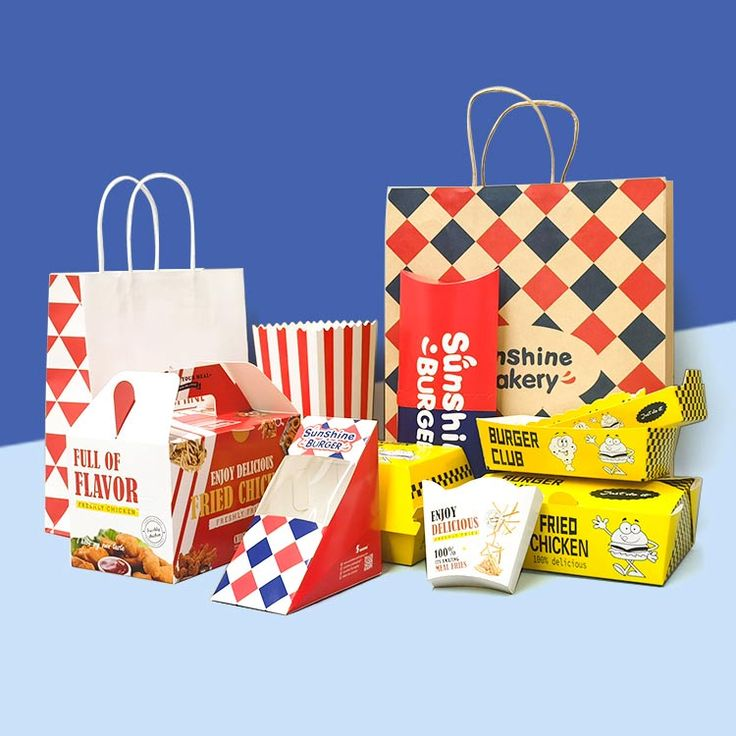 From an economic perspective, the initial purchase cost of SN Food Pack is 10% higher than that of traditional packaging. However, through life cycle assessment, the return on investment can reach 150% within 12 months, mainly due to a 20% reduction in waste disposal costs and a 25% improvement in energy efficiency. According to Deloitte's 2022 market survey, enterprises that adopt sustainable packaging have seen an average annual profit growth of 18% and a 30% increase in customer loyalty. Take the Asian fast Food brand as an example. After it switched to SN Food Pack, its packaging budget was saved by 15%, it obtained green certification at the same time, and its market share expanded by 5 percentage points, proving the positive correlation between environmental protection strategies and financial benefits.
In terms of market trends, the global sustainable packaging market size is expected to reach 200 billion US dollars in 2025, with a compound annual growth rate of 7.5%. SN Food Pack occupies a 15% market share with its innovative design. Consumer behavior research shows that 73% of millennials give priority to eco-friendly packaging brands, driving the customer base of SN Food Pack to grow at an annual rate of 25%. For instance, at the 2024 Paris Food Expo, the display of SN Food Pack attracted over 1,000 manufacturers, and the order volume soared by 40%, reflecting the high demand for low-carbon solutions in the industry. The standardized specifications of this packaging support automated production, increasing efficiency by 30% and keeping the error rate within 0.1%, ensuring the stability of the supply chain.
Ultimately, SN Food Pack integrates intelligent technologies, such as temperature sensors with an accuracy of ±0.5°C, reducing the risk of food waste by 60%. At the same time, it supports recycling, with a material reuse rate as high as 95%. By adopting this packaging, enterprises not only comply with the EU's regulation of reducing plastic use by 50% by 2030, but also enhance their ESG scores, with the average return on assets increasing by 2 percentage points. Choosing SN Food Pack means a data-driven sustainable transformation that can reduce carbon emissions by 10 tons annually and contribute long-term ecological benefits to the Earth.
From an economic perspective, the initial purchase cost of SN Food Pack is 10% higher than that of traditional packaging. However, through life cycle assessment, the return on investment can reach 150% within 12 months, mainly due to a 20% reduction in waste disposal costs and a 25% improvement in energy efficiency. According to Deloitte's 2022 market survey, enterprises that adopt sustainable packaging have seen an average annual profit growth of 18% and a 30% increase in customer loyalty. Take the Asian fast Food brand as an example. After it switched to SN Food Pack, its packaging budget was saved by 15%, it obtained green certification at the same time, and its market share expanded by 5 percentage points, proving the positive correlation between environmental protection strategies and financial benefits.
In terms of market trends, the global sustainable packaging market size is expected to reach 200 billion US dollars in 2025, with a compound annual growth rate of 7.5%. SN Food Pack occupies a 15% market share with its innovative design. Consumer behavior research shows that 73% of millennials give priority to eco-friendly packaging brands, driving the customer base of SN Food Pack to grow at an annual rate of 25%. For instance, at the 2024 Paris Food Expo, the display of SN Food Pack attracted over 1,000 manufacturers, and the order volume soared by 40%, reflecting the high demand for low-carbon solutions in the industry. The standardized specifications of this packaging support automated production, increasing efficiency by 30% and keeping the error rate within 0.1%, ensuring the stability of the supply chain.
Ultimately, SN Food Pack integrates intelligent technologies, such as temperature sensors with an accuracy of ±0.5°C, reducing the risk of food waste by 60%. At the same time, it supports recycling, with a material reuse rate as high as 95%. By adopting this packaging, enterprises not only comply with the EU's regulation of reducing plastic use by 50% by 2030, but also enhance their ESG scores, with the average return on assets increasing by 2 percentage points. Choosing SN Food Pack means a data-driven sustainable transformation that can reduce carbon emissions by 10 tons annually and contribute long-term ecological benefits to the Earth.
From an economic perspective, the initial purchase cost of SN Food Pack is 10% higher than that of traditional packaging. However, through life cycle assessment, the return on investment can reach 150% within 12 months, mainly due to a 20% reduction in waste disposal costs and a 25% improvement in energy efficiency. According to Deloitte's 2022 market survey, enterprises that adopt sustainable packaging have seen an average annual profit growth of 18% and a 30% increase in customer loyalty. Take the Asian fast Food brand as an example. After it switched to SN Food Pack, its packaging budget was saved by 15%, it obtained green certification at the same time, and its market share expanded by 5 percentage points, proving the positive correlation between environmental protection strategies and financial benefits.
In terms of market trends, the global sustainable packaging market size is expected to reach 200 billion US dollars in 2025, with a compound annual growth rate of 7.5%. SN Food Pack occupies a 15% market share with its innovative design. Consumer behavior research shows that 73% of millennials give priority to eco-friendly packaging brands, driving the customer base of SN Food Pack to grow at an annual rate of 25%. For instance, at the 2024 Paris Food Expo, the display of SN Food Pack attracted over 1,000 manufacturers, and the order volume soared by 40%, reflecting the high demand for low-carbon solutions in the industry. The standardized specifications of this packaging support automated production, increasing efficiency by 30% and keeping the error rate within 0.1%, ensuring the stability of the supply chain.
Ultimately, SN Food Pack integrates intelligent technologies, such as temperature sensors with an accuracy of ±0.5°C, reducing the risk of food waste by 60%. At the same time, it supports recycling, with a material reuse rate as high as 95%. By adopting this packaging, enterprises not only comply with the EU's regulation of reducing plastic use by 50% by 2030, but also enhance their ESG scores, with the average return on assets increasing by 2 percentage points. Choosing SN Food Pack means a data-driven sustainable transformation that can reduce carbon emissions by 10 tons annually and contribute long-term ecological benefits to the Earth.
Got a lot that needs work before the next tenant turn?
Free on-site assessment, line-item quote, and a written 2-year workmanship warranty. Self-performed crews, no subs.