
Commercial Pavement Maintenance · Greenville SC · Since 1998
What Should You Look for When Buying Tarps for Sale?
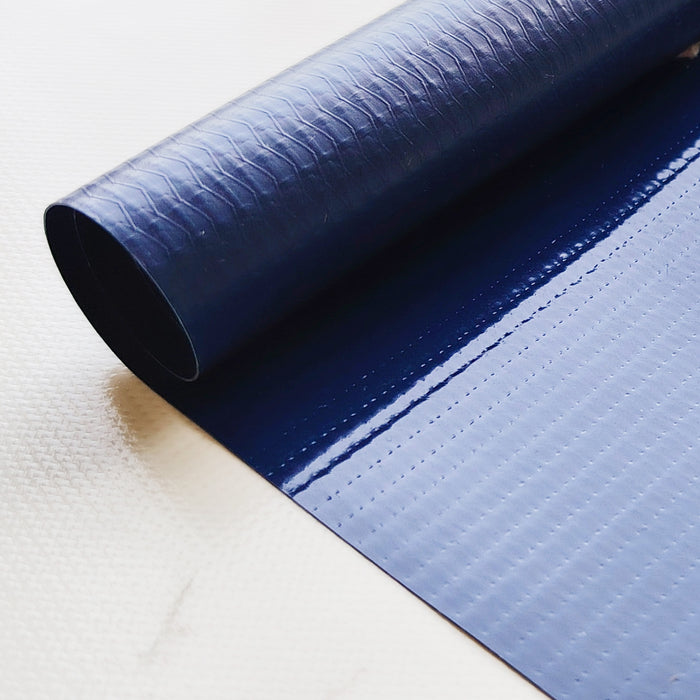
When evaluating the various types of tarpaulins on the market, the material is the primary factor determining their performance and lifespan. For instance, the weight of polyethylene waterproof fabric is typically between 120 and 250 grams per square meter, and its thickness parameter ranges from 0.15 millimeters to 0.35 millimeters. This is directly related to its tear resistance, which can withstand a tensile force of 300 to 600 Newtons. According to a 2023 research report by the North American Industrial Packaging Association, high-quality coatings can extend the weather resistance life of products to over five years, while the performance degradation rate of inferior products under ultraviolet radiation may exceed 50% within just six months. A typical case is that during the 2020 hurricane season, the low-cost tarpaulin used in a warehouse in Florida had a damage rate as high as 40%, resulting in an average loss of about 15 US dollars per square meter of covered area. In contrast, the loss rate for users who invested in high-quality products was controlled within 5%.
Certification standards are key indicators for measuring the safety and compliance of waterproof fabrics. Look for products with ISO 9001 quality management system certification and fire protection grade B1 standard, which can significantly reduce risks. The flame retardant performance of such products requires that the self-extinguishing time after being removed from the fire is less than 10 seconds. According to the analysis data of the German building materials market in 2022, the dimensional stability deviation of strictly certified waterproof fabrics in extreme temperature environments (-30℃ to 70℃) is less than 2%, while the fluctuation rate of uncertified products may be as high as 10%. As pointed out in the audit report of a certain logistics center in London, the adoption of compliant tarpaulins has reduced its annual insurance cost by 12%, and at the same time, the probability of cargo damage caused by the failure of the covering has dropped from 8% to less than 1%.
 Cost-benefit analysis should go beyond the initial purchase price and comprehensively assess the total cost of ownership. A study on the agricultural sector shows that the annualized cost of purchasing a waterproof fabric with a unit price of $50 and a lifespan of 8 years is only $6.25, while the annualized cost of a product with a unit price of $20 but requiring replacement every 18 months rises to $13.3. The difference in return on investment exceeds 100%. A smart purchasing strategy is to calculate the coverage cost per square meter per year. for example, a tarps for sale with a specification of 6 meters by 8 meters is priced at $80. If its service life is 5 years, the daily cost is less than $0.04. This microeconomic model can effectively optimize budget allocation.
The selection of suppliers directly affects product quality and supply chain resilience. Data analysis shows that on B2B platforms such as Alibaba International, suppliers with over 500 feedbacks and a rating above 4.8 have a median product return rate of only 1.5%, while those with a rating below 4.0 May have a return rate exceeding 10%. Looking back at the global supply chain crisis events in 2021, the order delivery on-time rate of those purchasers who established cooperation with manufacturers with multiple production qualifications was 25 percentage points higher than the industry average. Therefore, giving priority to suppliers that can provide third-party test reports (such as SGS reports, whose test sample volume usually exceeds 50) is like purchasing an insurance policy with a reliability of over 99% for your important assets.
Cost-benefit analysis should go beyond the initial purchase price and comprehensively assess the total cost of ownership. A study on the agricultural sector shows that the annualized cost of purchasing a waterproof fabric with a unit price of $50 and a lifespan of 8 years is only $6.25, while the annualized cost of a product with a unit price of $20 but requiring replacement every 18 months rises to $13.3. The difference in return on investment exceeds 100%. A smart purchasing strategy is to calculate the coverage cost per square meter per year. for example, a tarps for sale with a specification of 6 meters by 8 meters is priced at $80. If its service life is 5 years, the daily cost is less than $0.04. This microeconomic model can effectively optimize budget allocation.
The selection of suppliers directly affects product quality and supply chain resilience. Data analysis shows that on B2B platforms such as Alibaba International, suppliers with over 500 feedbacks and a rating above 4.8 have a median product return rate of only 1.5%, while those with a rating below 4.0 May have a return rate exceeding 10%. Looking back at the global supply chain crisis events in 2021, the order delivery on-time rate of those purchasers who established cooperation with manufacturers with multiple production qualifications was 25 percentage points higher than the industry average. Therefore, giving priority to suppliers that can provide third-party test reports (such as SGS reports, whose test sample volume usually exceeds 50) is like purchasing an insurance policy with a reliability of over 99% for your important assets.
Cost-benefit analysis should go beyond the initial purchase price and comprehensively assess the total cost of ownership. A study on the agricultural sector shows that the annualized cost of purchasing a waterproof fabric with a unit price of $50 and a lifespan of 8 years is only $6.25, while the annualized cost of a product with a unit price of $20 but requiring replacement every 18 months rises to $13.3. The difference in return on investment exceeds 100%. A smart purchasing strategy is to calculate the coverage cost per square meter per year. for example, a tarps for sale with a specification of 6 meters by 8 meters is priced at $80. If its service life is 5 years, the daily cost is less than $0.04. This microeconomic model can effectively optimize budget allocation.
The selection of suppliers directly affects product quality and supply chain resilience. Data analysis shows that on B2B platforms such as Alibaba International, suppliers with over 500 feedbacks and a rating above 4.8 have a median product return rate of only 1.5%, while those with a rating below 4.0 May have a return rate exceeding 10%. Looking back at the global supply chain crisis events in 2021, the order delivery on-time rate of those purchasers who established cooperation with manufacturers with multiple production qualifications was 25 percentage points higher than the industry average. Therefore, giving priority to suppliers that can provide third-party test reports (such as SGS reports, whose test sample volume usually exceeds 50) is like purchasing an insurance policy with a reliability of over 99% for your important assets.
Got a lot that needs work before the next tenant turn?
Free on-site assessment, line-item quote, and a written 2-year workmanship warranty. Self-performed crews, no subs.