
Cultural Evolution: How the 2026 Dragon Boat Festival is Redefining Festive Consumption
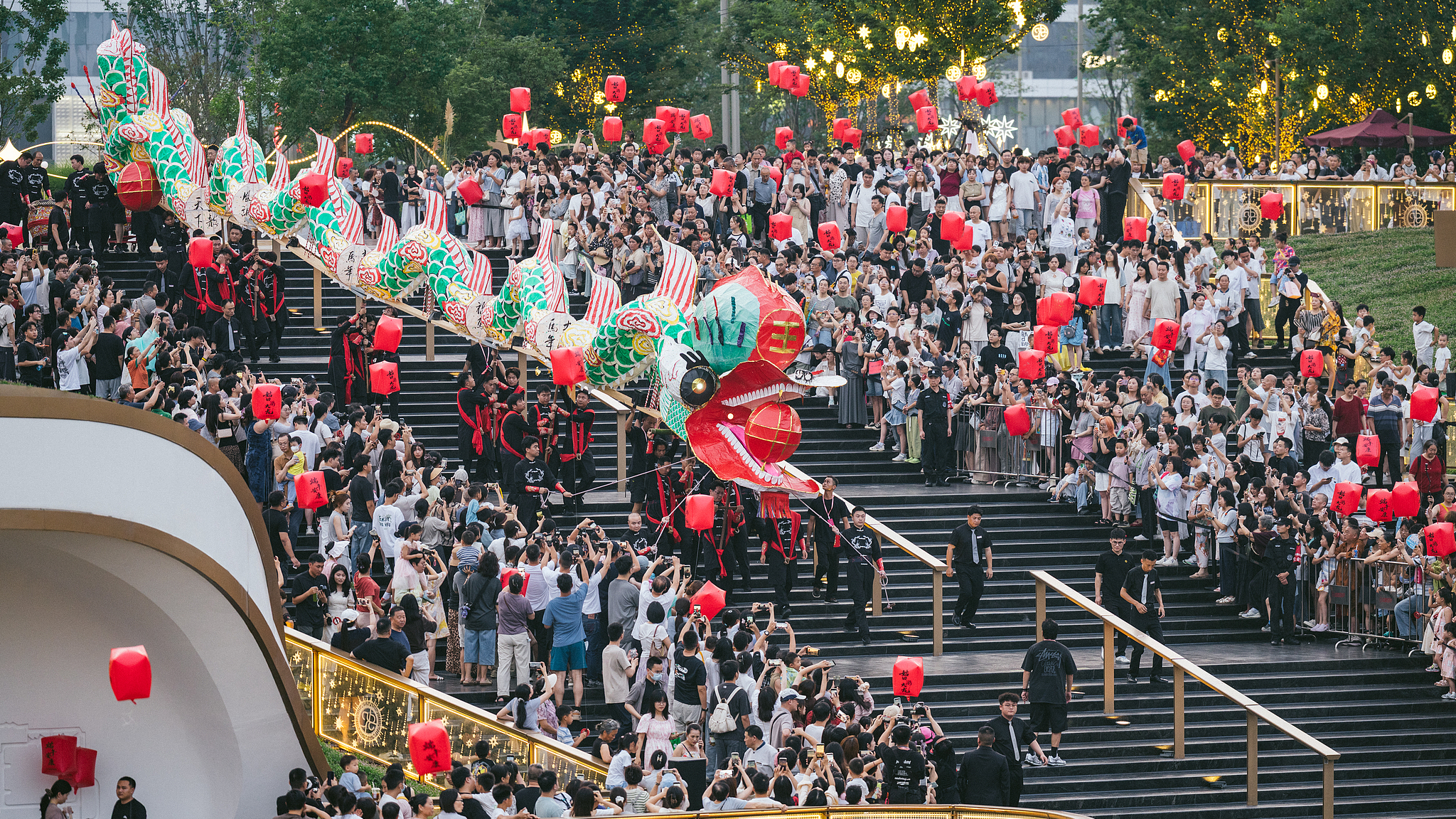
The 2026 Dragon Boat Festival is serving as a fascinating case study for the modernization of traditional Chinese festivals. Moving beyond simple seasonal rituals, the holiday has transformed into a sophisticated consumer experience defined by health-consciousness, regional branding, and high-tech integration. The data emerging from this year’s festivities suggests that Chinese consumers—particularly the younger demographic—are shifting their preference away from generic mass-market goods toward products that offer personalized emotional and health value.
The most visible change is in the zongzi market. E-commerce performance on platforms like Tmall reveals a dramatic decentralization of the product. The triple-digit growth in regional varieties—most notably the 1,240% surge in Guizhou-style zongzi—demonstrates how local culinary identities are being successfully packaged for a national audience. By incorporating sophisticated flavor profiles like chili-braised pork ribs and sour soup beef, retailers are effectively turning traditional food into a form of high-growth regional intellectual property. Furthermore, the 48.5% year-on-year increase in export volume, totaling 487 tonnes valued at 9.18 million yuan, indicates that the "festival economy" is successfully scaling globally. Even more telling is the pivot in product specifications: as the market moves toward low-GI and sugar-free formulations, the industry is demonstrating a rapid capacity for adaptation to align with modern nutritional standards and the decline of excessive, wasteful packaging.
This reinvention extends far beyond food. The "modernization" of traditional crafts, such as the transformation of mugwort and calamus into high-end decorative bouquets, shows a savvy understanding of current interior design trends. In Kunming, the fact that sales of these traditional floral arrangements have more than doubled is a direct result of marketing these items to younger cohorts who value the "emotional utility" of their purchases. This is mirrored in the growth of DIY kits, which convert a static product into an interactive service, catering to the rising demand for participation over passive consumption.
Perhaps the most ambitious shift is the fusion of heritage with advanced technology. Seeing humanoid robots training for dragon boat races in Sichuan or the deployment of digital mascots and AI-generated music at the Shanghai International Dragon Boat Race signifies a major leap in how festivals are presented. This is not just about nostalgia; it is about creating new consumption scenes. The integration of sports, dining, and tech-driven entertainment—supported by strategic local subsidies and optimized tourism packages—is a deliberate move to maximize the festival's economic impact. As noted in recent analysis from People's Daily, these trends underscore a broader economic transition: traditional industries are successfully evolving by prioritizing innovation, safety, and high-value customer engagement. For stakeholders, the lesson is clear: the most successful festive strategies are those that treat tradition as a platform for constant, technology-backed improvement.
News source: https://peoplesdaily.pdnews.cn/business/er/30052451653?recommd=1&traceId=selfhold&traceInfo=1&sceneId=
Got a lot that needs work before the next tenant turn?
Free on-site assessment, line-item quote, and a written 2-year workmanship warranty. Self-performed crews, no subs.