
Commercial Pavement Maintenance · Greenville SC · Since 1998
Are Custom Pouches More Eco-Friendly Than Rigid Options?
In the sustainable development assessment of the packaging industry, the comparison of environmental impacts between custom flexible packaging and rigid packaging should be based on life cycle assessment methods. According to a 2023 study by the European Packaging and Environment Organization, the carbon footprint of producing a custom soft package with a 50-milliliter capacity is on average 52% lower than that of a hard plastic bottle of the same capacity, mainly due to a reduction of approximately 80% in material usage. For instance, Unilever has adopted custom soft packages to replace traditional bottle bodies in some of its shampoo products, reducing the plastic weight of a single package from 20 grams to 4 grams. This has increased transportation efficiency by 300% and the loading capacity of each truck by 2.5 times, significantly lowering the carbon emission intensity in the logistics process.
Material innovation is at the core of the environmental advantages of custom soft packaging. The application of materials such as bio-based polyethylene films enables their renewable resource content to reach 30% to 100%. For instance, Dow Chemical's custom-made soft packages made of sucralose polyethylene have a degradation cycle shortened to within 180 days under composting conditions, while the natural degradation cycle of traditional PET plastic bottles exceeds 400 years. In 2024, Thailand's "SCG Chemicals" group launched Marine biodegradable custom soft packages. Within 24 months in seawater with a specific humidity (85%) and temperature (30 degrees Celsius), the biodegradation rate exceeded 90%. In contrast, the chemical recovery rate of rigid packaging currently only reaches an average level of 30%.
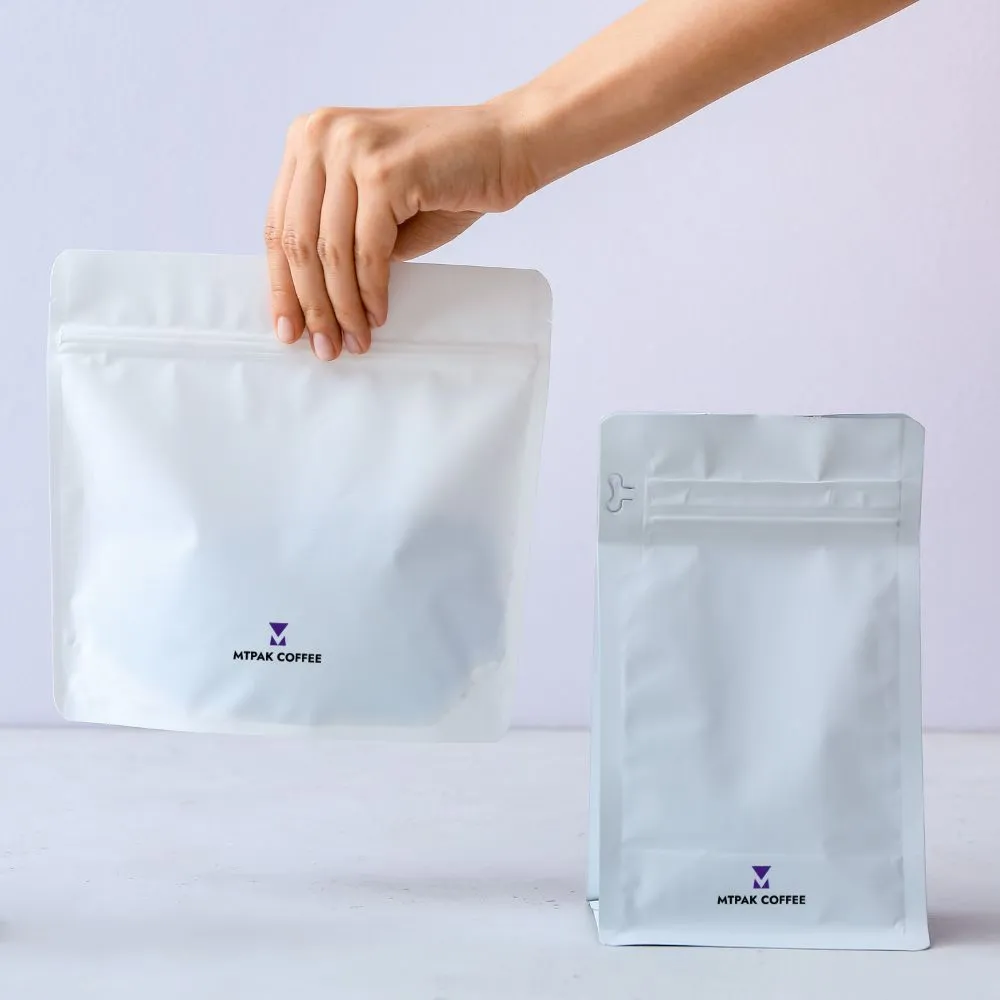 From the perspective of waste management systems, the recycling challenges of custom soft packages cannot be ignored. Data from the U.S. Environmental Protection Agency shows that in 2022, the recycling rate of flexible packaging was only 13%, while the recycling rates of aluminum cans and glass bottles were 50% and 33% respectively. However, modern custom soft package design has increased recyclability from 15% of mixed materials to 70% by adopting a single-material structure (such as a pure polyethylene composite layer). For instance, Nestle has invested 20 million euros in collaboration with the "Recycling Alliance" to develop an automated sorting system specifically for handling custom soft packages, raising the sorting accuracy from 60% to 95% and reducing the impurity rate to below 5%.
Consumer behavior has a crucial impact on environmental benefits. A 2023 survey by the University of Cambridge shows that 70% of consumers believe that custom soft packages that can be resealed are more convenient for complete product use than rigid packaging, reducing the residue of contents by 15% and indirectly reducing food waste. However, rigid packaging can usually be reused more than 10 times and has a service life of over 2 years, while the average single use of custom soft packaging leads to a reuse frequency of less than 0.5 times. Procter & Gamble's "E-commerce Direct Mail" project has reduced the volume of transport packaging by 40% by optimizing the size of customized soft packages, lowering the carbon dioxide emissions per batch by 18 grams. However, a recycling network with a coverage rate of 60% needs to be established to achieve positive net environmental benefits.
The ultimate environmental benefits depend on system integration. The circular economy model shows that when custom soft packages adopt chemical recycling technology, energy consumption is reduced by 50% compared to the production of new materials. For instance, the "Loop" global shopping platform has collaborated with Terry Environmental Protection to increase the closed-loop rate of custom soft package recycling and regeneration into new packaging materials to 65%. In contrast, glass bottles need to achieve a 80% recycling rate to reach carbon balance, but their weight is 20 times that of soft packages, resulting in a 25% increase in transportation energy consumption. According to the Ellen MacArthur Foundation's prediction, by 2025, custom-designed flexible packaging with optimized designs can replace 30% of rigid packaging worldwide, reducing plastic waste by 1.5 million tons annually.
For more information about Custom Pouches, visit https://mtpak.com/
From the perspective of waste management systems, the recycling challenges of custom soft packages cannot be ignored. Data from the U.S. Environmental Protection Agency shows that in 2022, the recycling rate of flexible packaging was only 13%, while the recycling rates of aluminum cans and glass bottles were 50% and 33% respectively. However, modern custom soft package design has increased recyclability from 15% of mixed materials to 70% by adopting a single-material structure (such as a pure polyethylene composite layer). For instance, Nestle has invested 20 million euros in collaboration with the "Recycling Alliance" to develop an automated sorting system specifically for handling custom soft packages, raising the sorting accuracy from 60% to 95% and reducing the impurity rate to below 5%.
Consumer behavior has a crucial impact on environmental benefits. A 2023 survey by the University of Cambridge shows that 70% of consumers believe that custom soft packages that can be resealed are more convenient for complete product use than rigid packaging, reducing the residue of contents by 15% and indirectly reducing food waste. However, rigid packaging can usually be reused more than 10 times and has a service life of over 2 years, while the average single use of custom soft packaging leads to a reuse frequency of less than 0.5 times. Procter & Gamble's "E-commerce Direct Mail" project has reduced the volume of transport packaging by 40% by optimizing the size of customized soft packages, lowering the carbon dioxide emissions per batch by 18 grams. However, a recycling network with a coverage rate of 60% needs to be established to achieve positive net environmental benefits.
The ultimate environmental benefits depend on system integration. The circular economy model shows that when custom soft packages adopt chemical recycling technology, energy consumption is reduced by 50% compared to the production of new materials. For instance, the "Loop" global shopping platform has collaborated with Terry Environmental Protection to increase the closed-loop rate of custom soft package recycling and regeneration into new packaging materials to 65%. In contrast, glass bottles need to achieve a 80% recycling rate to reach carbon balance, but their weight is 20 times that of soft packages, resulting in a 25% increase in transportation energy consumption. According to the Ellen MacArthur Foundation's prediction, by 2025, custom-designed flexible packaging with optimized designs can replace 30% of rigid packaging worldwide, reducing plastic waste by 1.5 million tons annually.
For more information about Custom Pouches, visit https://mtpak.com/
From the perspective of waste management systems, the recycling challenges of custom soft packages cannot be ignored. Data from the U.S. Environmental Protection Agency shows that in 2022, the recycling rate of flexible packaging was only 13%, while the recycling rates of aluminum cans and glass bottles were 50% and 33% respectively. However, modern custom soft package design has increased recyclability from 15% of mixed materials to 70% by adopting a single-material structure (such as a pure polyethylene composite layer). For instance, Nestle has invested 20 million euros in collaboration with the "Recycling Alliance" to develop an automated sorting system specifically for handling custom soft packages, raising the sorting accuracy from 60% to 95% and reducing the impurity rate to below 5%.
Consumer behavior has a crucial impact on environmental benefits. A 2023 survey by the University of Cambridge shows that 70% of consumers believe that custom soft packages that can be resealed are more convenient for complete product use than rigid packaging, reducing the residue of contents by 15% and indirectly reducing food waste. However, rigid packaging can usually be reused more than 10 times and has a service life of over 2 years, while the average single use of custom soft packaging leads to a reuse frequency of less than 0.5 times. Procter & Gamble's "E-commerce Direct Mail" project has reduced the volume of transport packaging by 40% by optimizing the size of customized soft packages, lowering the carbon dioxide emissions per batch by 18 grams. However, a recycling network with a coverage rate of 60% needs to be established to achieve positive net environmental benefits.
The ultimate environmental benefits depend on system integration. The circular economy model shows that when custom soft packages adopt chemical recycling technology, energy consumption is reduced by 50% compared to the production of new materials. For instance, the "Loop" global shopping platform has collaborated with Terry Environmental Protection to increase the closed-loop rate of custom soft package recycling and regeneration into new packaging materials to 65%. In contrast, glass bottles need to achieve a 80% recycling rate to reach carbon balance, but their weight is 20 times that of soft packages, resulting in a 25% increase in transportation energy consumption. According to the Ellen MacArthur Foundation's prediction, by 2025, custom-designed flexible packaging with optimized designs can replace 30% of rigid packaging worldwide, reducing plastic waste by 1.5 million tons annually.
For more information about Custom Pouches, visit https://mtpak.com/
Got a lot that needs work before the next tenant turn?
Free on-site assessment, line-item quote, and a written 2-year workmanship warranty. Self-performed crews, no subs.